

Factory originality is now a verified vehicle metric.
Your vehicle history report tracks what was reported — accidents, insurance claims, title transfers. It does not track whether your vehicle's paint is factory original.
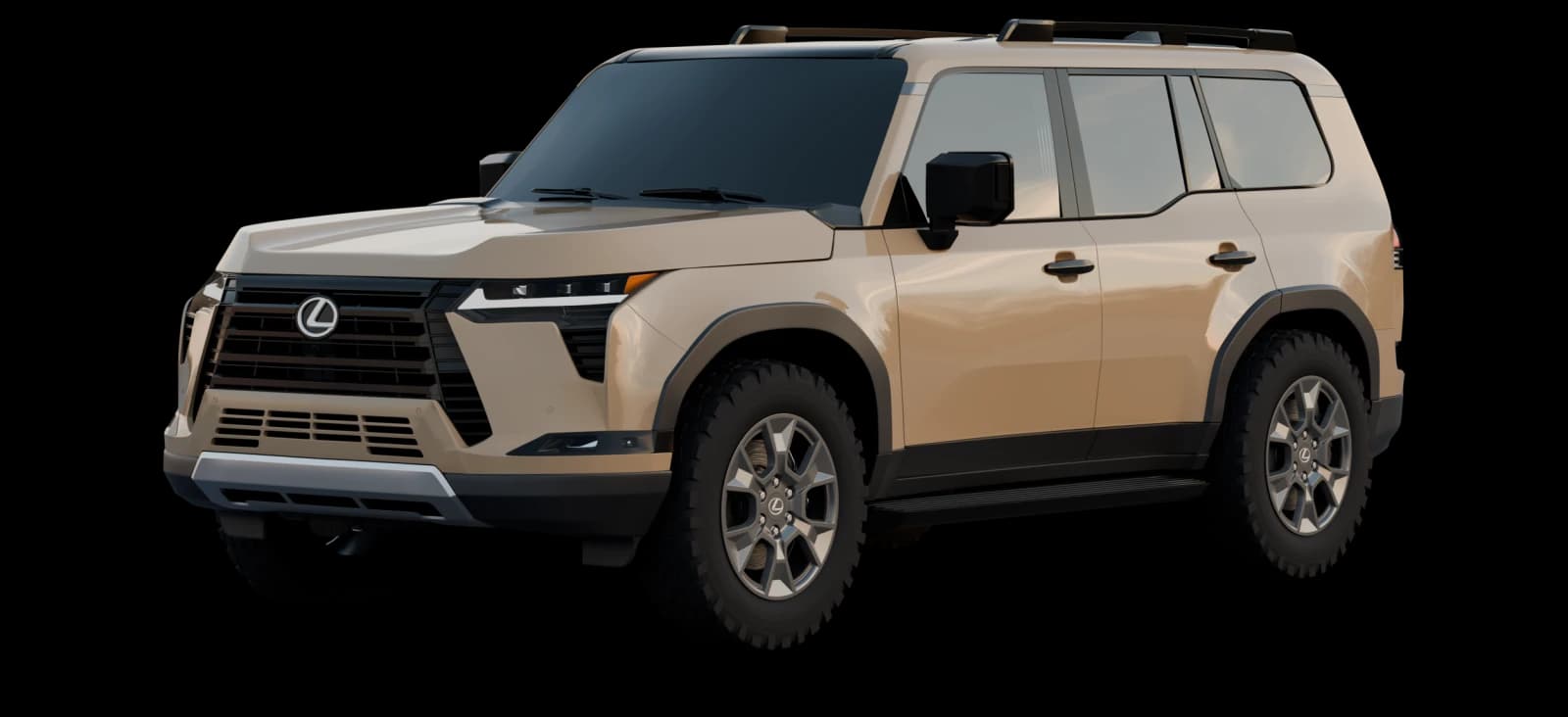
Vehicle record
2024 Lexus GX 550 Overtrail+
About 2 out of 5 repairs never reach your history report.
Your history report tracks what was reported: ownership changes, service records, collision records, and repairs that went through the insurance system. But not every repair goes through the system. Out of every 100 vehicle damages, 39 are settled out of pocket, handled by independent shops, or cosmetically refinished without a claim. They never reach any report. A vehicle can have multiple refinished panels and a spotless history report.
*Source: LendingTree Insurance Repairs Survey, 2024
Owners, title, reported accidents. Now paint.
Car listing sites let buyers narrow a search by facts like these, and some of the large ones weigh a car's reported history when they label a deal. Paint is not one of those facts, because there has been no record of it to check. Autoentic measures it and ties the result to the VIN, so a listing can show it and a buyer can check it.
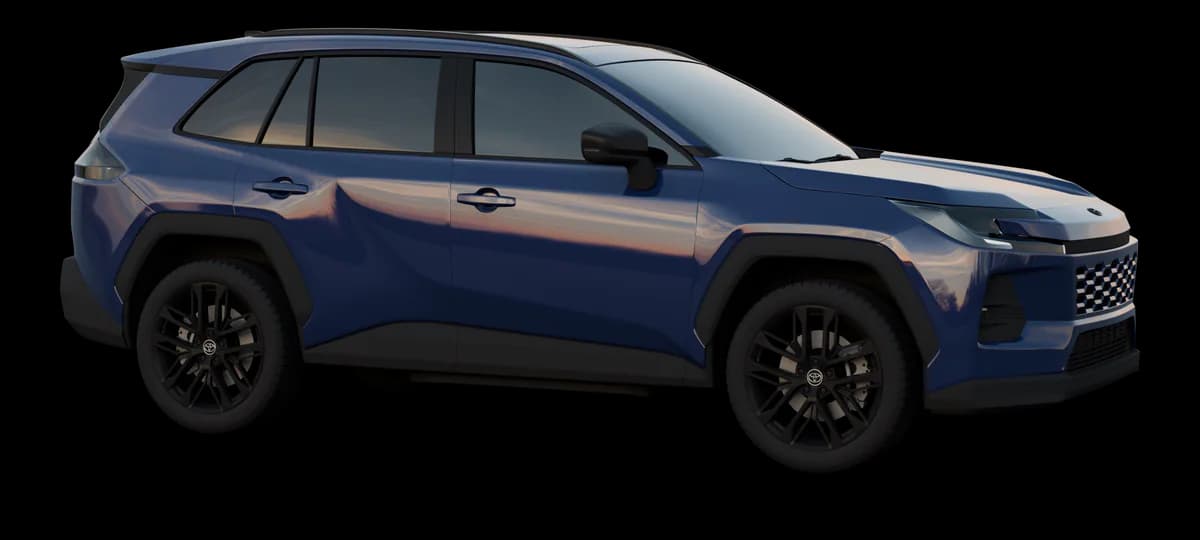
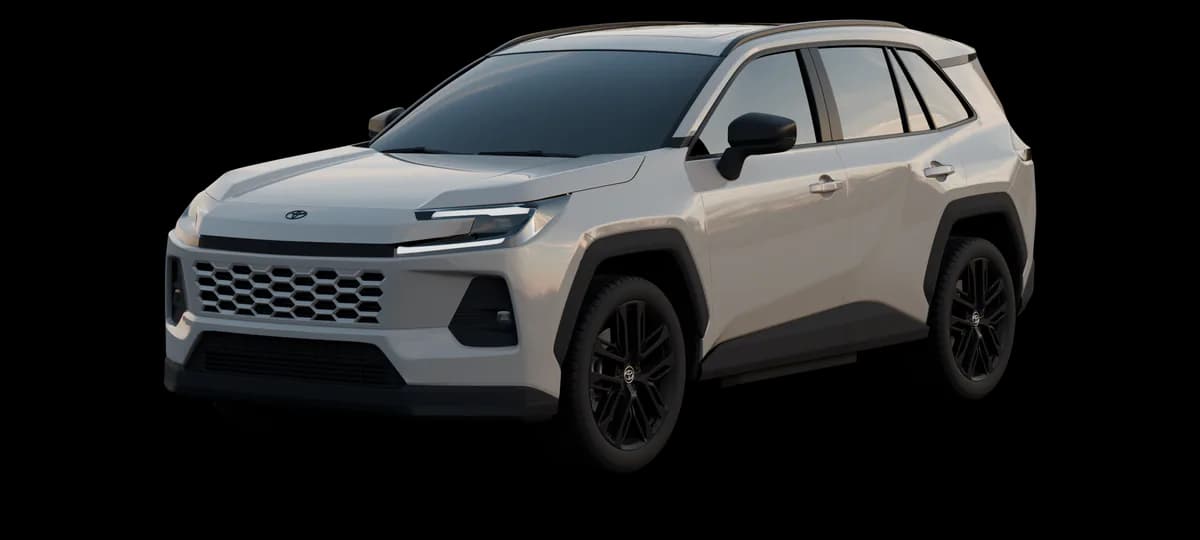
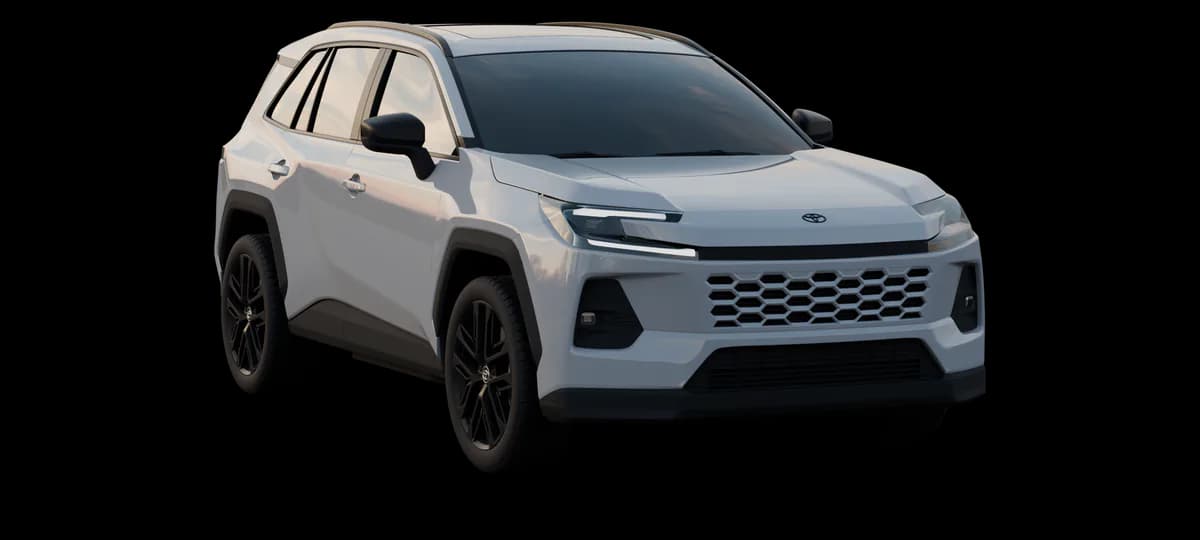
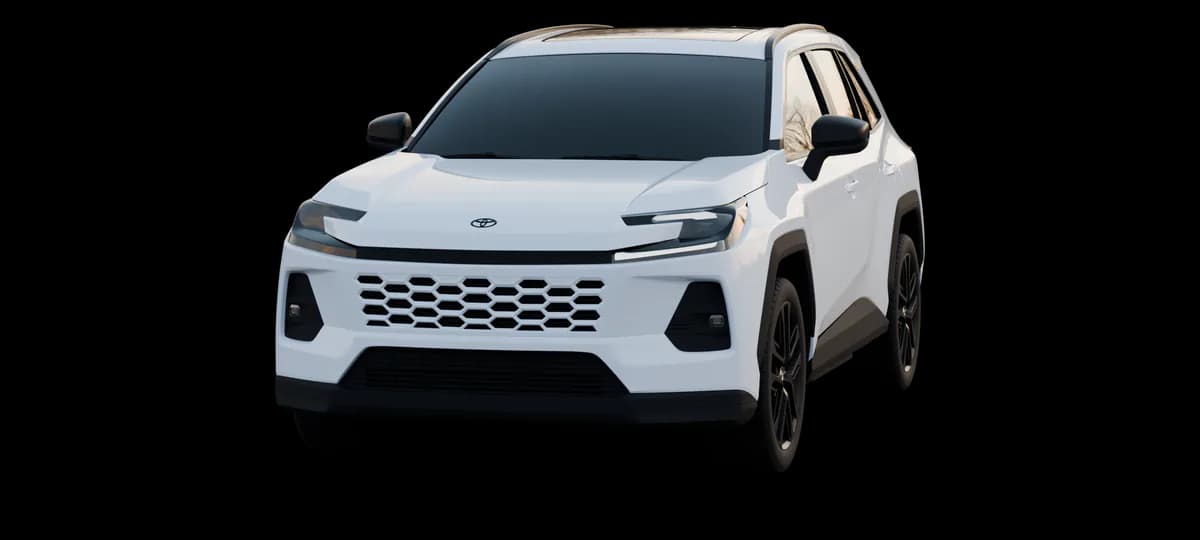
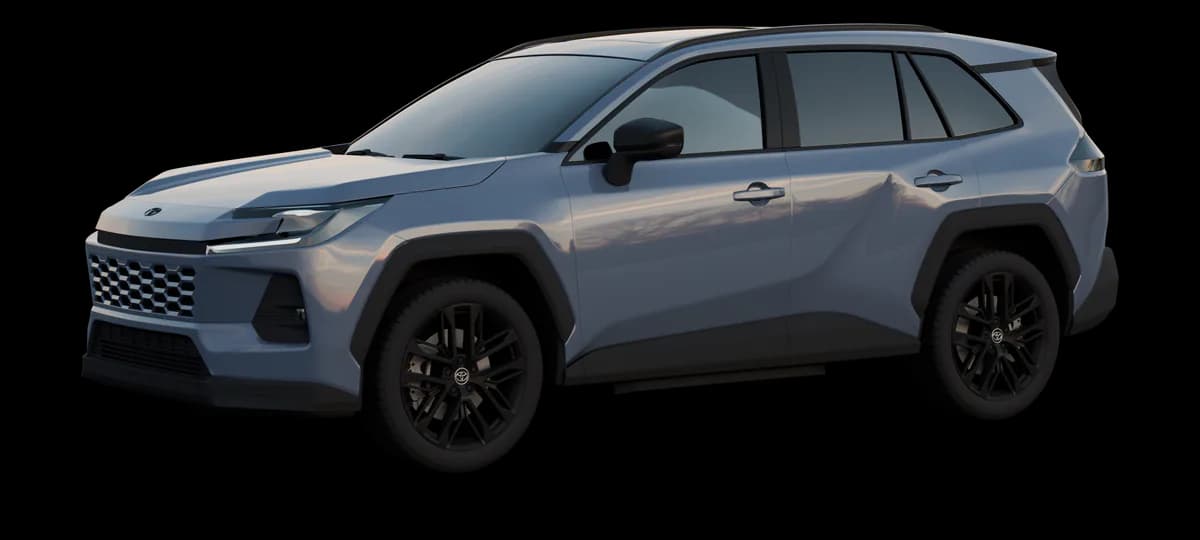
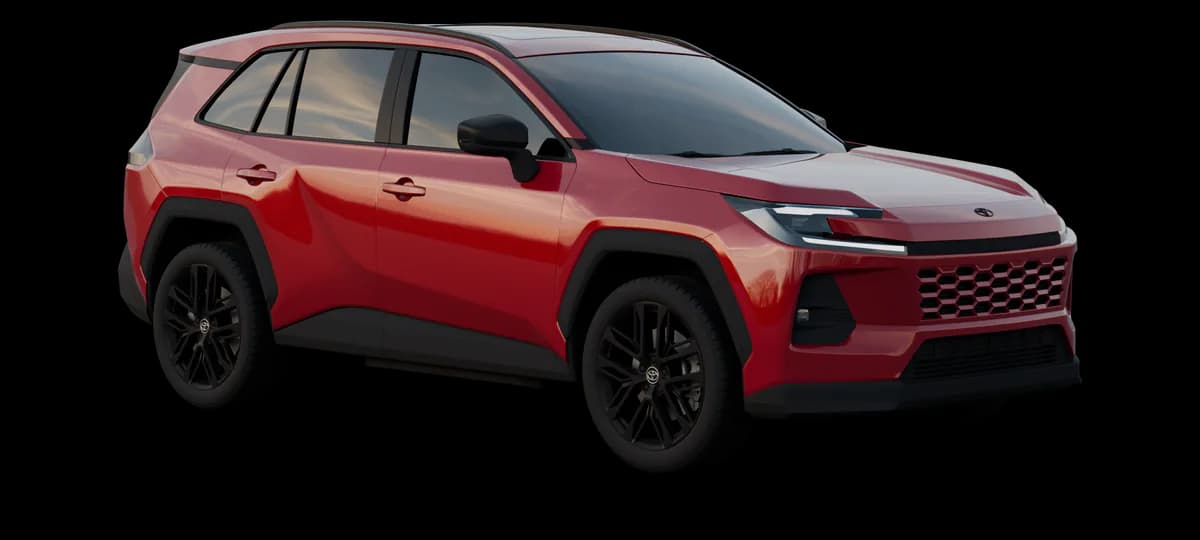
An illustration of a search on a car listing site, narrowed to a 2026 Toyota RAV4. Three filters from reported history are on: one owner, clean title, no accidents reported. Every car in the results passes them: the same model in six colors. A new filter is in the list, not yet on: factory original paint. When it is ticked, one car stays, marked Autoentic Certified, and the others fade.
What this means for your vehicle
Selling, repairs, protection. Verification adds a layer to each.
2023 BMW M2
Sample data, not a measured vehicle.
Factory originality, visible for the first time
Until now, factory originality was invisible on the market. A factory-original vehicle and a refinished vehicle looked the same on every listing, every report, every trade-in evaluation. Measurement-based verification makes factory originality visible — documented per panel, verified against factory specifications, tied to the VIN.
A record from before any repair
A measurement records the paint as it is today, panel by panel, with the date. If a panel is damaged and refinished later, a record that read Factory Original is evidence that the paint was original before.
Autoentic measures coating thickness against factory specifications. It records the paint as measured, not why paint was added, and it does not grade the quality of a repair.
Paint protection applied to verified surfaces
Paint protection film costs $3,000–$7,000 and is applied to a surface whose condition has never been independently measured. Autoentic can verify whether the paint underneath is factory original before the investment is made.
If the paint is factory original, the investment protects a confirmed asset. If it has been refinished, the owner knows before — not after — the film is applied.
Every measurement becomes a permanent record
When a vehicle is measured, the result is a Paint Passport entry — viewable by anyone with the VIN.
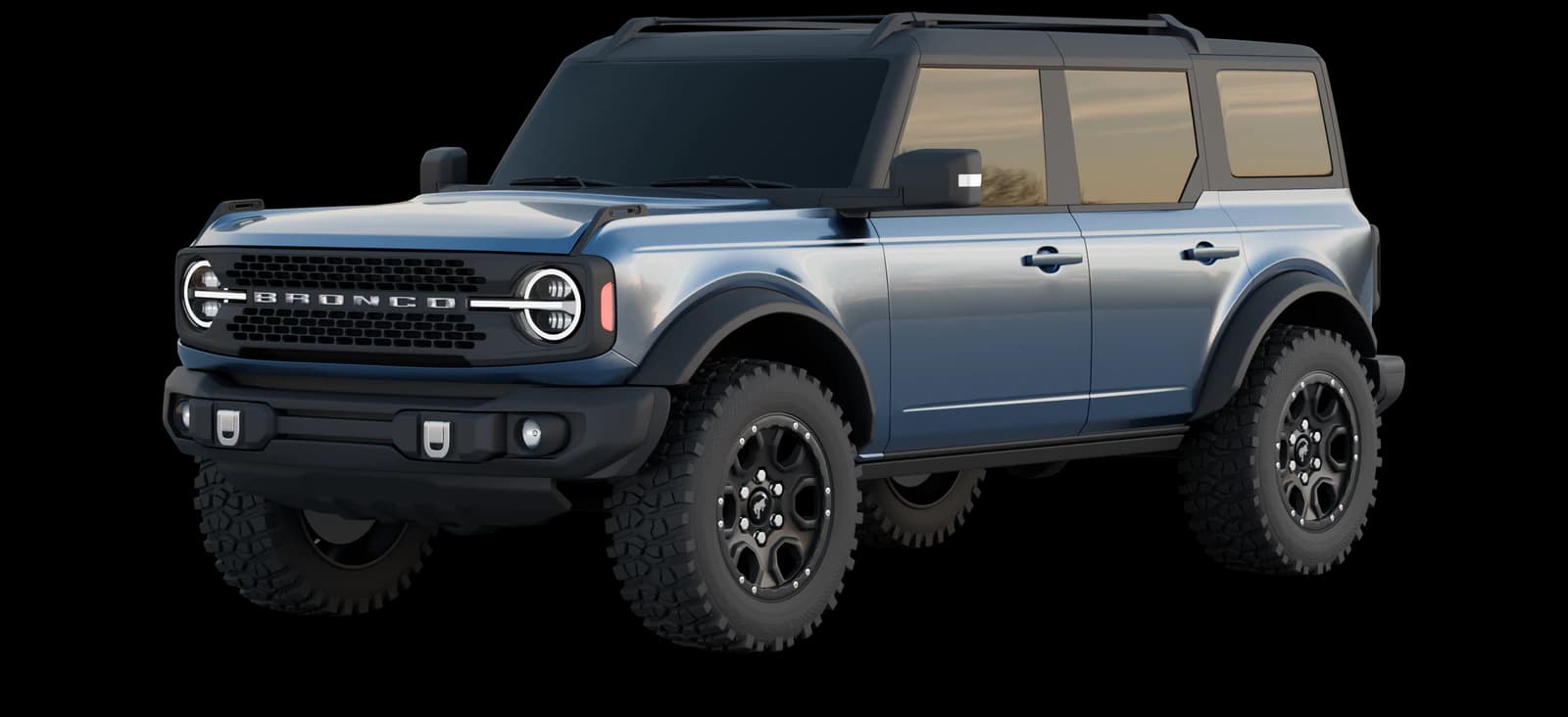
2025 Ford Bronco | Azure Gray Metallic Tri-Coat (G4)
VIN 1FMEE9BPX••••••••
Latest inspection · Aug 2, 2026
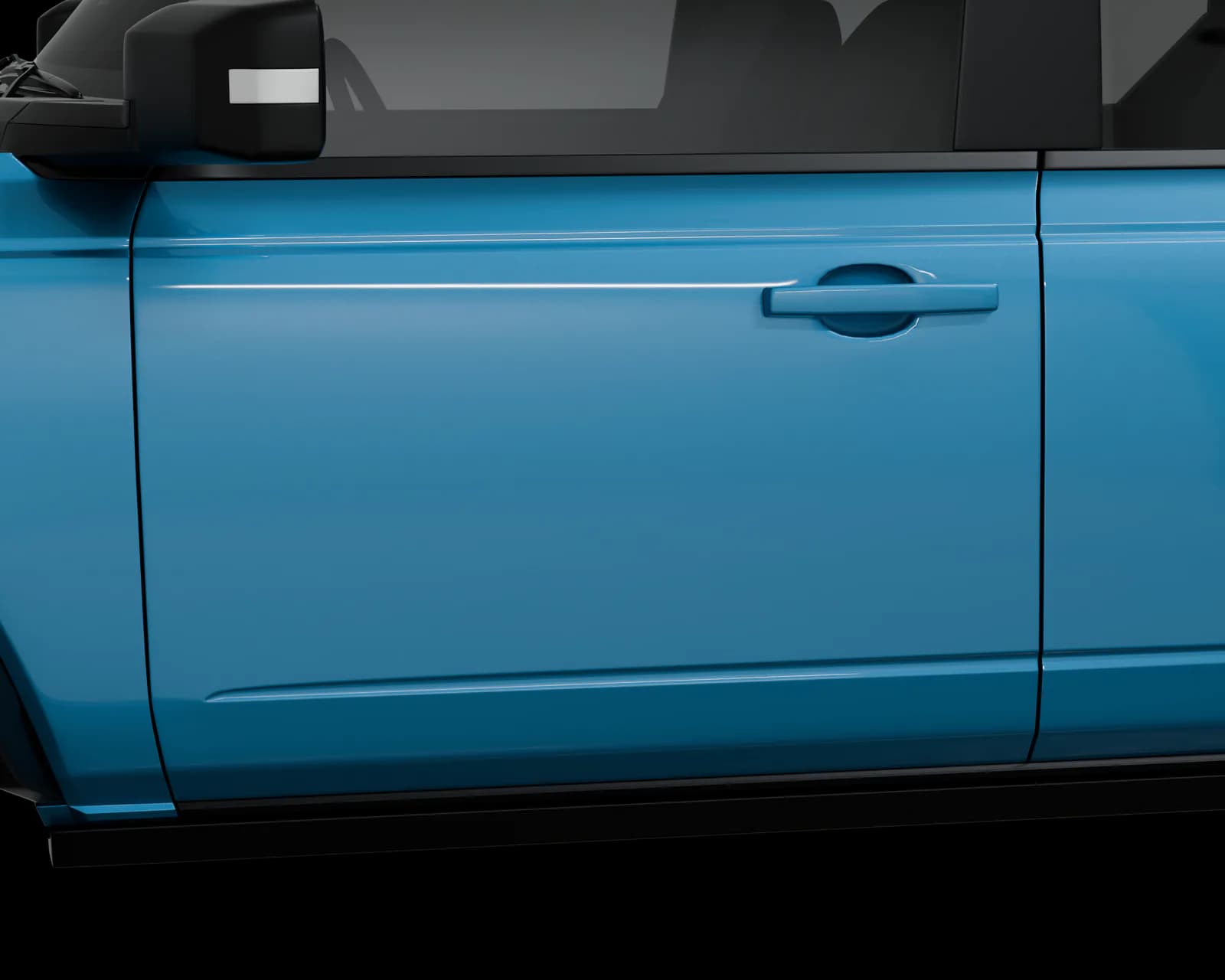
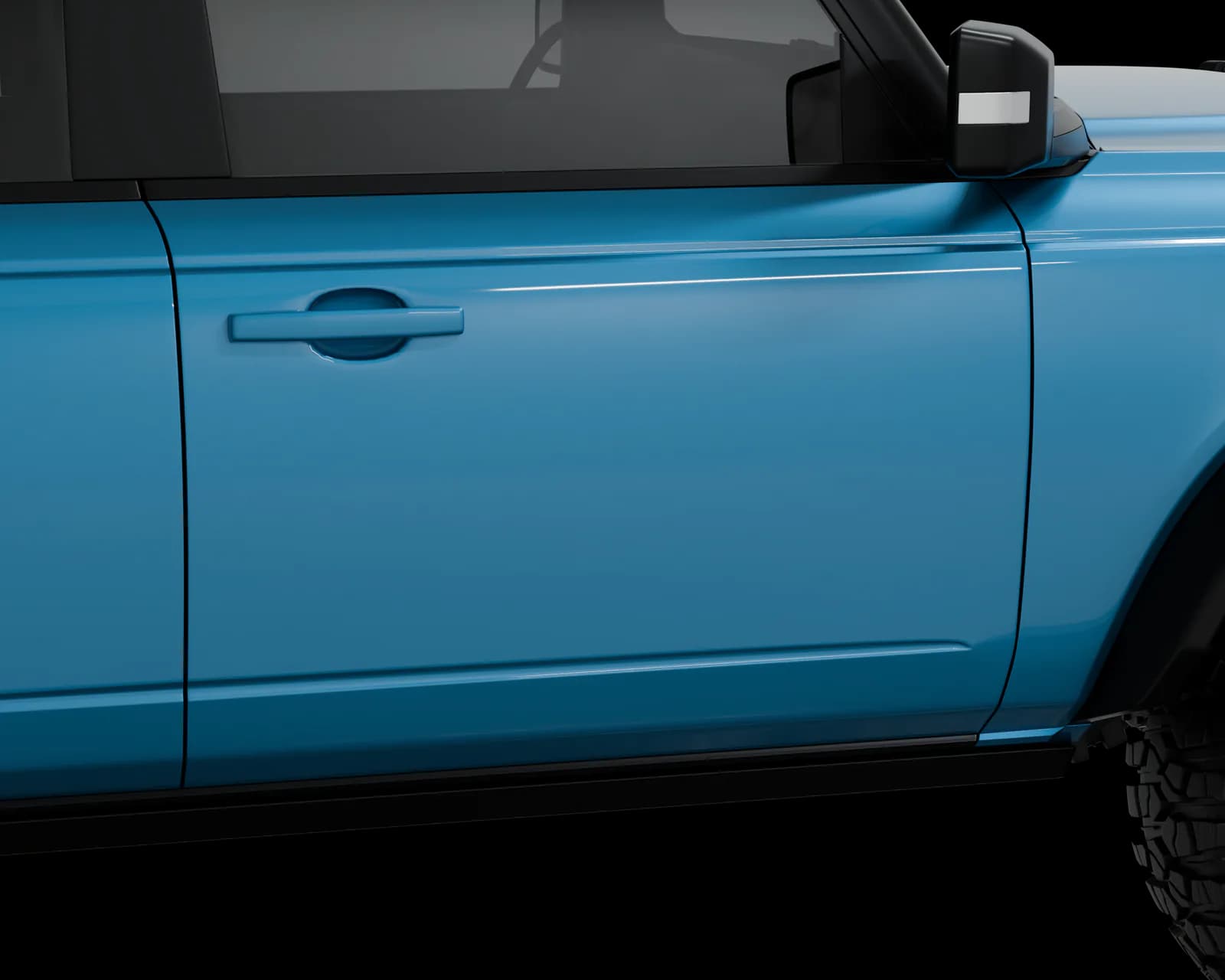
2 panels refinished: Front left door, Left fender
Changed since May 20, 2025: Front left door and Left fender refinished.
3 inspections on record since Aug 14, 2024
Inspection history · newest first
What this proves and what it doesn't
We report what we measured at each inspection, and how confident we are in it. We never claim “guaranteed factory original.” Read the full methodology at how it works.
Whether you're buying, keeping, or selling
A single measurement creates certainty that compounds at every stage — whether you're negotiating a purchase, disputing a repair, or preparing to sell.
Just bought or buying
Verify what’s on the vehicle before or after purchase. A measurement now establishes a verified baseline. Every future measurement compares against it, making the record stronger over time.
Keeping for years
Your paint is in a known state today. That certainty is perishable. A baseline measurement now is evidence in any future dispute: body shop damage, insurance claim, or resale. It locks in the “before” that every future comparison depends on.
I just want to know
Find out what’s actually on your vehicle. Every full measurement earns the Autoentic Inspected tier, regardless of what it finds.
Selling soon
Document your paint condition before listing. A factory-original vehicle with an Autoentic record stands out from every other listing.
What your vehicle earns
When Autoentic can score a car, its record is Autoentic Inspected, or Autoentic Certified at the top. Inspected isn't a pass: a car with a refinished panel is still Autoentic Inspected, so a refinished panel does not cost you the record. The questions below say when a record can carry Certified.
Two doors measured. On the first, nine readings near 110 microns: Factory Original, and that vehicle earns Autoentic Certified. On the second, nine readings near 290 microns: Refinished, and that vehicle earns Autoentic Inspected. Sample readings, not a measured vehicle.
Choose your scope
A technician measures every panel in approximately 10 minutes. Metal panels are measured with an electromagnetic probe. Non-metal panels, such as plastic bumpers or composite body panels, require an ultrasonic sensor.
$49
Every painted metal panel: hood, roof, doors, fenders, quarter panels, trunk.
Includes- All painted metal body panels
- Per-panel findings and an overall confidence score, for covered models
- Tamper-evident digital record
- VIN-linked Paint Passport entry
- Transferable with the vehicle
- Autoentic Inspected tier
$99
Every painted panel: metal, plastic, and composite.
One flat price, whether that means two plastic bumpers or a full composite body.
Includes- Everything in Metal Panels
- Plastic and composite panels included
Frequently asked questions
No. A vehicle history report lists what was reported about a car, such as accidents, title records and service visits. Autoentic measures the paint itself. The report is still worth reading, because it answers a different question from a paint check.
Yes. A history report can only show an event once the insurer, police department, or auction sends in the record, and that can take weeks, sometimes months. A car repaired after a claim last month can still show a clean report today. A paint measurement doesn't wait on that paperwork: it reads the paint as it is on the day of the inspection.
A repainted panel is not a problem that the measurement creates. It is an existing condition that the measurement documents. A car with a refinished panel is still Autoentic Inspected: the label says the car was measured and the result is on record, not that it passed.
A technician measures the paint panel by panel with a professional paint thickness probe, and Autoentic compares each panel with factory data for that model. The score is GUM-based. The GUM is the international guide to measurement uncertainty, and the score allows for the normal variation in any paint measurement. The scoring method is patent pending.
No. Each record is sealed when it is submitted, and a later change to a sealed record would show. A new inspection adds a new dated entry; it never replaces an earlier one.
Autoentic Inspected means the car was measured and the result is on record. It isn't a pass, and a car with a refinished panel is still Autoentic Inspected. Autoentic Certified is the top label. A record can carry it when the measurement shows factory paint with high confidence and the record was made by Autoentic, by a business Autoentic has confirmed as independent, or by a dealer's new-car department on a car never listed for sale as used.
Not by identifying the film itself. A paint gauge reads film or a wrap along with the paint, so a panel under film can read like a repaint. When the measurement can't tell what an added layer is, Autoentic marks the panel Added Layer (Undetermined Type) instead of guessing either way. The paint underneath is then unverified.
The Factory Originality Confidence Score is a number from 0 to 100 for how confident the measurement is that the paint is factory-applied. There is one per inspection, and it is not a percentage of original paint. A high score means the readings are consistent with factory paint. A low score means they are not, or that the measurement could not be sure.
Yes. A Paint Passport is saved to the car's VIN, not to an owner or an account, so it stays with the car when the car is sold. There's nothing to transfer or register. Anyone who types the VIN at autoentic.com/paint-passport sees the same page, free and with no account. That includes every later owner.
Autoentic doesn't say what paint does to a car's price. The record gives the buyer and the seller the same facts about the paint, so neither has to guess. How much a refinished panel matters is the buyer's call. One refinished fender on a ten-year-old car is a different conversation from four refinished panels on a three-year-old one. A Refinished label says nothing about the quality of the work.
In both, the paint is part of how the car is judged; what differs is who checks it. At a dealership trade-in, the appraiser may check the paint with a paint gauge of their own. In a private sale, it’s up to the buyer, who may have the car inspected before buying. Documented paint condition gives both parties a shared set of facts to negotiate from.